13. THE GYPSY ROVER
 The Whistling Gypsy, sometimes known simply as The Gypsy Rover, is a well-known ballad composed and copyrighted by Dublin songwriter Leo Maguire in the 1950s.
There are a number of similar traditional songs about a well-off woman’s encounter with gypsies, dating back at least as far as the early 19th century, known as “The Raggle Taggle Gypsy”, “The Raggle Taggle Gypsies”, “The Gypsy Laddie”, “Nine Yellow Gypsies”, “Gypsie Davie” and “Black Jack Davie”.
The story-line usually revolves around a woman leaving her home and her “wedded lord” to run off with one or more Gypsies, to be pursued by her husband. In some songs the lady is pursued by her father, and when he catches the pair the “Gypsy” reveals himself to be the “lord of these lands all over”.
The Gypsy Rover has been recorded by numerous artists, including The Clancy Brothers, The Kingston Trio, The Highwaymen (who had a Top 40 hit with the song) and The Wiggles, among others.
GYPSY ROVER Traditional in the Key of C
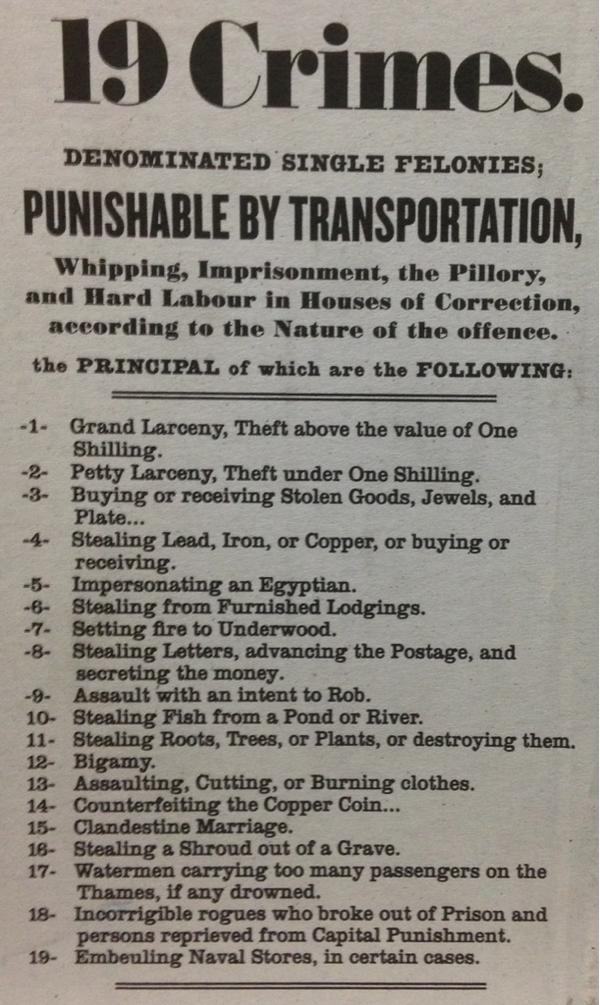 The Black Velvet Band is a traditional folk song collected from singers in Australia, England, Canada, Ireland and the United States describing how a young man is tricked and then sentenced to deportation to Australia, a common punishment in 19th century Britain and Ireland.
 The Irish Rover is an Irish folk song about a magnificent, though improbable, sailing ship that reaches an unfortunate end. It has been recorded by numerous artists, some of whom have made changes to the lyrics.
 The Wild Rover is a popular English-language folk song. It is the most widely performed Irish song, although its exact origins are unknown and still contested. Historically, the song has been referred to in Irish folklore and, since the late sixteenth century, it has been noted in written records—although it is likely that some northern Atlantic fishing crews knew the song before these historical accounts were made.

 Heartbeat” inlcuding this song, which reached 18 on the Uk Albums chart.
 In the 1980’s The Irish Rovers briefly renamed themselves The Rovers and had enormous success with this single. The subject matter is neither Irish nor nostalgic, but it had large cross-over success in the Country Rock genre.
  clubs and hootenanys. At one point they became regulars at Calgary’s Depression Coffee House, a well-known folk club that had contributed to the start of Joni Mitchel’s career.
 This song by accomplished author Shel Silverstein was made very popular by The Irish Rovers in 1968. Silverstein was fascinated by folklore, myths, fables and legends. The lyrics to the song were printed as a poem in Silverstein’s book Where the Sidewalk Ends. What seems to be a timeless Irish folk song was written by a Jewish children’s book author from Chicago.
 A ballad set to an ancient Irish melody. The words were written by English songwriter Frederic Weatherly in Bath, Somerset, in 1910, and eventually set to the Irish tune of “Londonderry Air” when his Irish-born sister-in-law, living in the U.S., sent him a copy of the song in 1913.
 an unofficial signature song of Irish Canadians due to our own close ties to Great Britain.
 Written by Bronxeville, New York composer Mort Dixon, whose first hit was That Old Gang of Mine in 1923, followed by Bye Bye Blackbird in 1926.
 song during the same year, topping the North American charts at #14. It is likely that no other single person has been directly responsible for the sale of as many ukuleles as Arthur Godfrey, an enormously popular television star of the 1950’s and 60’s.
 A Traditional Shaker hymn “Simple Gifts”, words added by Sydney Carter, 1963. Carter was an English poet, song writer and folk musician who wrote many folk songs, carols and gospel songs. During WWII he served as a volunteer in the Friend’s Ambulance Service in Egypt, Palestine and Greece, and was a self-described pacifist.
 Cat's Ukulele Songs